
Leveraging AI to Mitigate the Knock-On Effect
Building a Robust Support Framework for Your Business
The knock-on effect in project management can be a significant challenge for leaders, particularly when unanticipated delays occur. In the quest for more resilient business operations, one effective strategy lies in harnessing the power of Artificial Intelligence (AI). By integrating AI assistance into our workflows, we can develop robust support frameworks that help mitigate the impact of unforeseen events, streamline processes, and foster a culture of accountability and efficiency.
How AI Can Help Mitigate the Knock-On Effect
Enhanced Project Management Tools: AI-driven project management software can provide real-time insights into project status, identify potential bottlenecks, and predict delays based on historical data. Tools like Asana, Trello, and Monday.com incorporate AI features that automatically adjust timelines and suggest resource allocation, ensuring that everyone is aware of their responsibilities and deadlines.
Data-Driven Decision Making: AI can analyse vast amounts of data to provide actionable insights. By understanding patterns in team performance and project timelines, leaders can make informed decisions that enhance efficiency. For example, if data shows that a particular team member frequently falls behind, interventions can be put in place to offer support before it affects the broader project.
Automated Task Management: With AI assistants, repetitive tasks can be automated, allowing team members to focus on high-value work. This not only boosts productivity but also reduces the risk of human error that can contribute to the knock-on effect. AI tools like Zapier can automate workflows across various applications, ensuring seamless operations.
Proactive Communication: AI chatbots can facilitate communication among team members, providing instant updates on project statuses and reminders about deadlines. By creating a direct line of communication, teams can address issues as they arise, rather than allowing them to escalate.
Continuous Learning and Improvement: AI can support the continuous improvement of business processes. By analysing feedback and performance metrics, AI tools can suggest optimisations for project management practices. This iterative approach fosters a learning culture, helping teams adapt and refine their strategies over time.
Risk Management Frameworks: AI can help build robust risk management frameworks by predicting potential risks and suggesting mitigation strategies. For instance, machine learning algorithms can analyse previous projects to identify common failure points, enabling teams to proactively address these areas before they lead to significant disruptions.
Resource Allocation: AI can optimise resource allocation by analysing workload and performance metrics, ensuring that team members are not overburdened. This can help prevent burnout and reduce the likelihood of delays caused by overwhelmed employees.


Building a Support Framework with AI
The integration of AI assistance into your business is not just about implementing new technology; it’s about creating a supportive environment that empowers your team to thrive. Here are some steps to build a robust support framework using AI:
Identify Key Areas for AI Integration: Start by assessing your current processes and identifying areas where AI can have the most significant impact. This could include project management, customer service, or data analysis.
Select the Right Tools: Choose AI tools that align with your business needs. Research various software options and consider their features, user-friendliness, and integration capabilities.
Train Your Team: Ensure that your team is well-equipped to use AI tools effectively. Offer training sessions and resources to help them understand how to leverage AI for their benefit.
Monitor and Adjust: Continuously monitor the effectiveness of the AI tools and be open to adjustments. Gather feedback from team members to understand how AI is impacting their workflows and make necessary modifications.
Foster a Culture of Collaboration: Encourage collaboration between humans and AI. Highlight the strengths of both to create a harmonious working environment where technology enhances human capabilities.
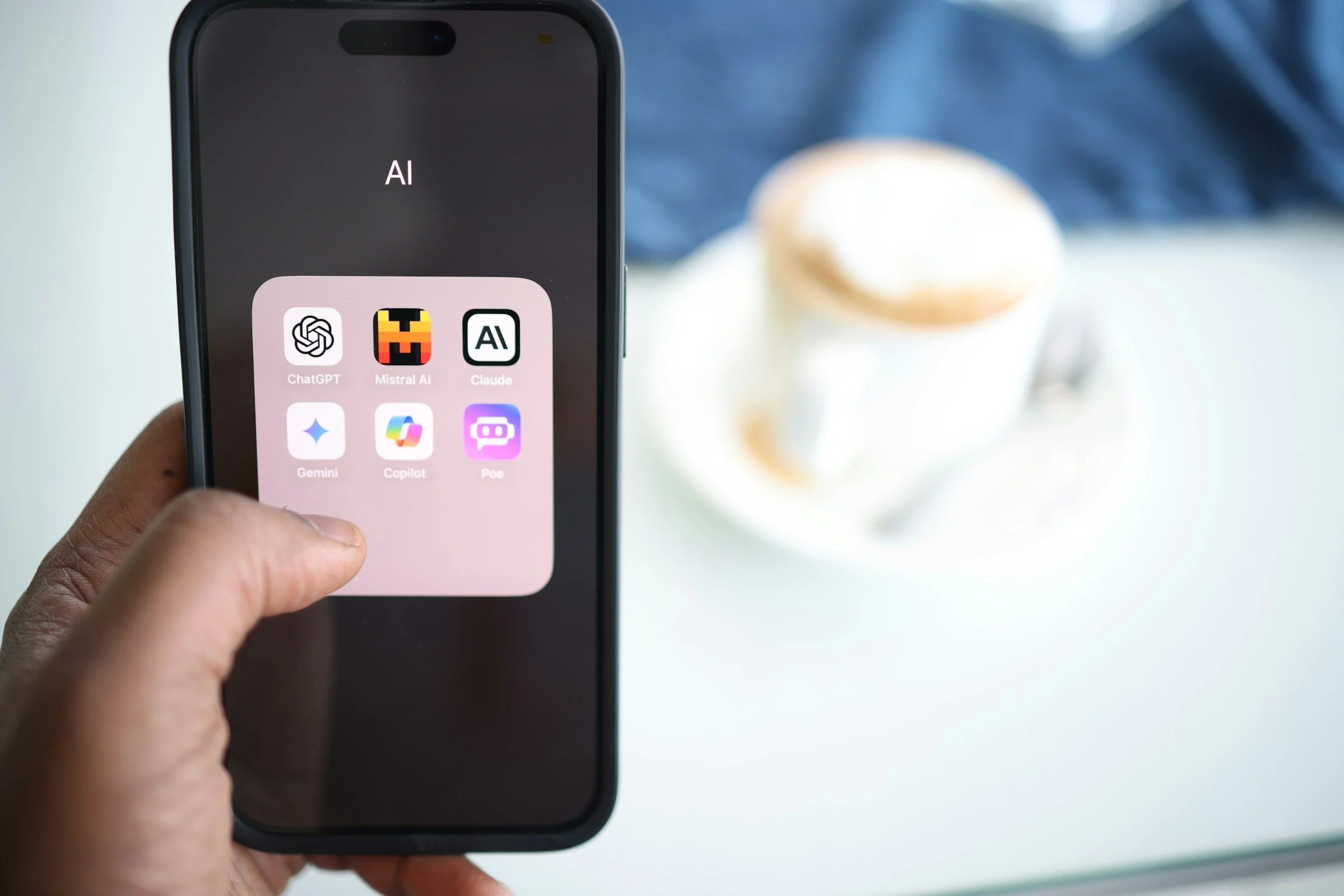
Incorporating AI assistance into your business strategy can significantly mitigate the knock-on effects of unforeseen disruptions. By leveraging technology to enhance project management, communication, and resource allocation, leaders can create a resilient framework that empowers their teams to navigate challenges with confidence.
The journey toward integrating AI may seem daunting, but the benefits—greater efficiency, reduced errors, and improved team morale—far outweigh the initial learning curve. As we embrace this transformative technology, let’s ensure that we build a support framework that not only drives business success but also nurtures the well-being of our team members.
If you’re interested in discussing how AI can support your business and help you build a robust framework, drop me a message to learn more.
Disclaimer: The views expressed in this blog are my own and should not be considered as formal advice. Always seek professional guidance tailored to your specific needs.